Coco Chan Restaurant
Project Details
Client: Coco Chan
Status: Completed
Location: Tipu Sultan Road, Pakistan
Size: 3515 SQ FT
Project Architect: Maaz
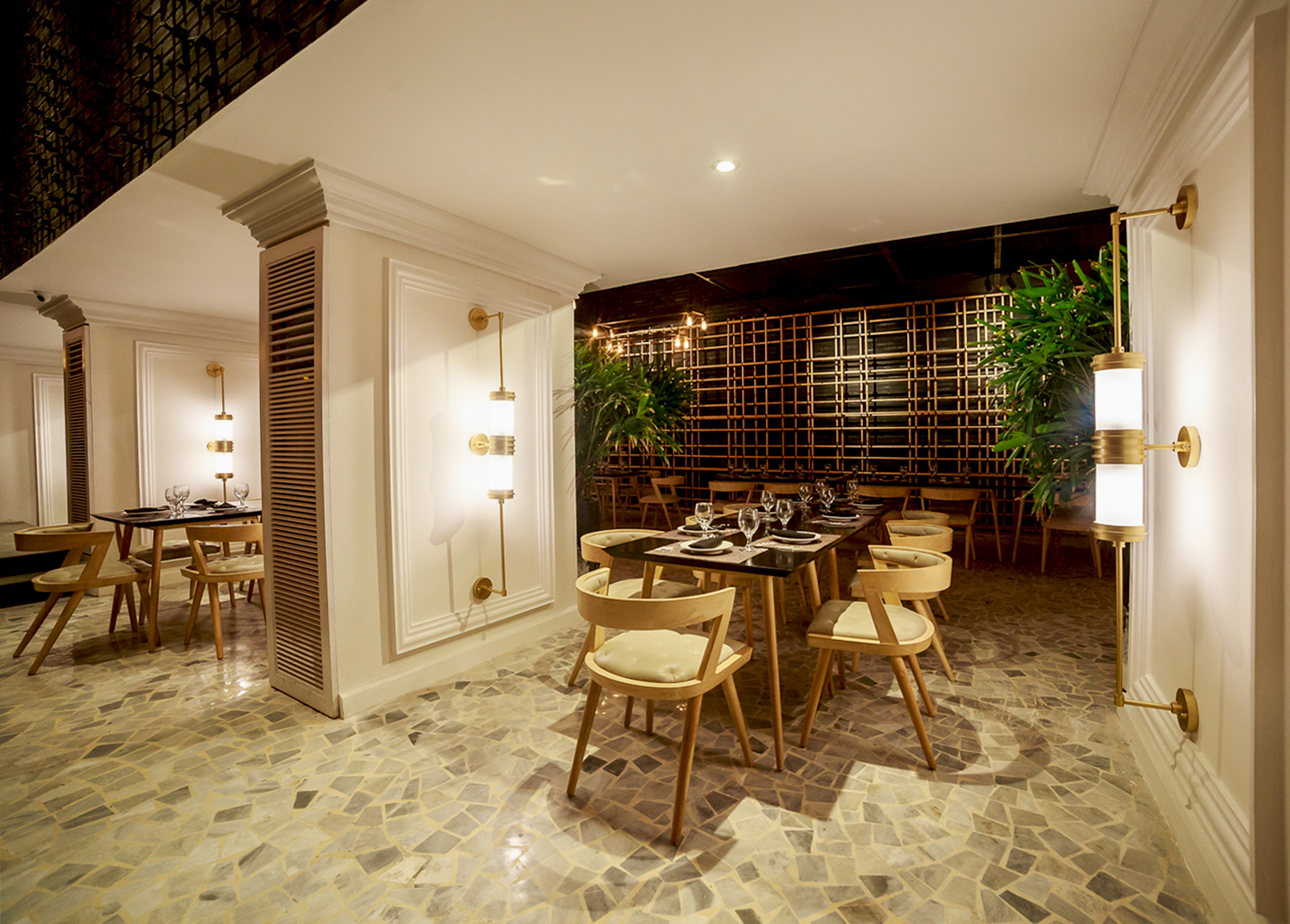
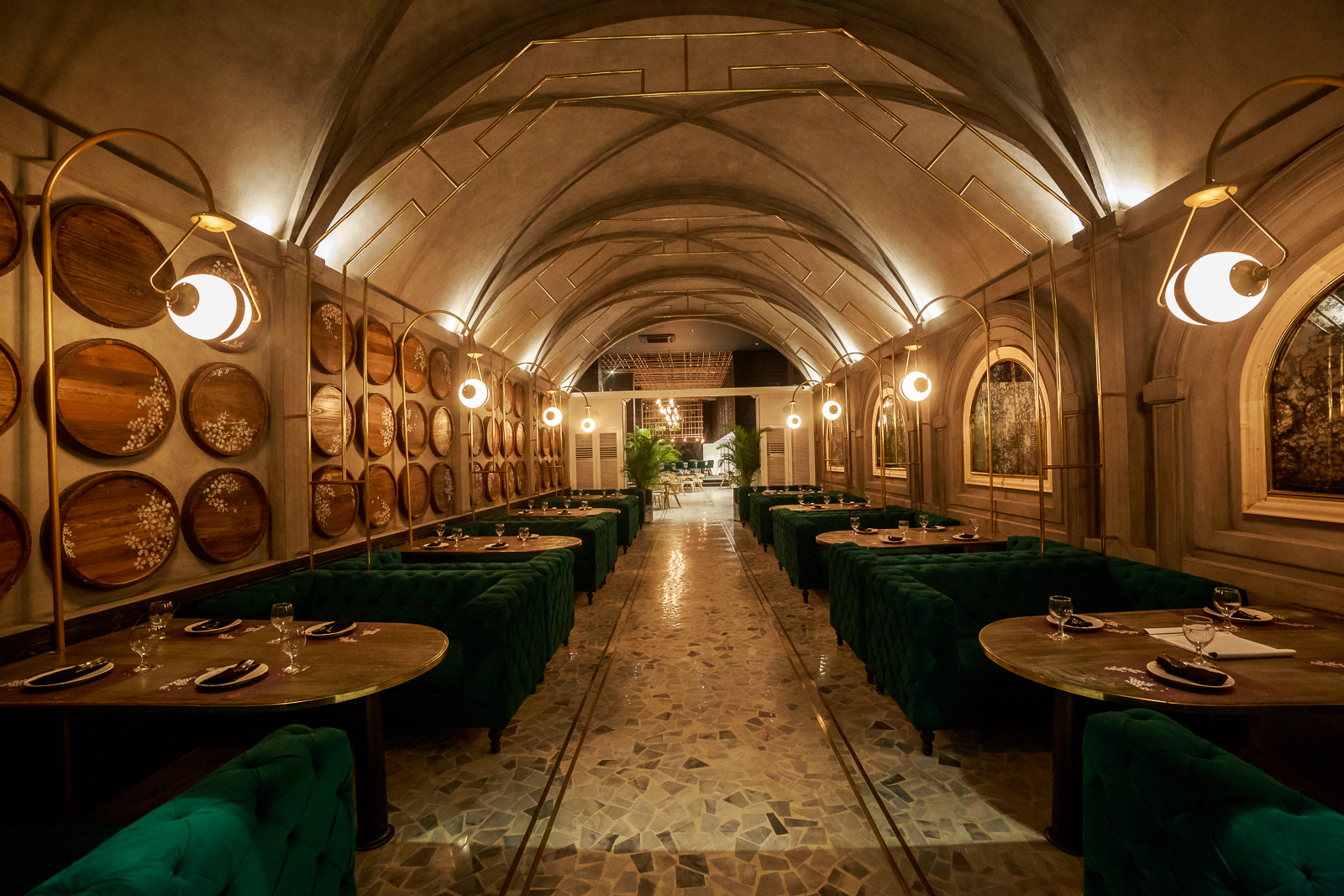
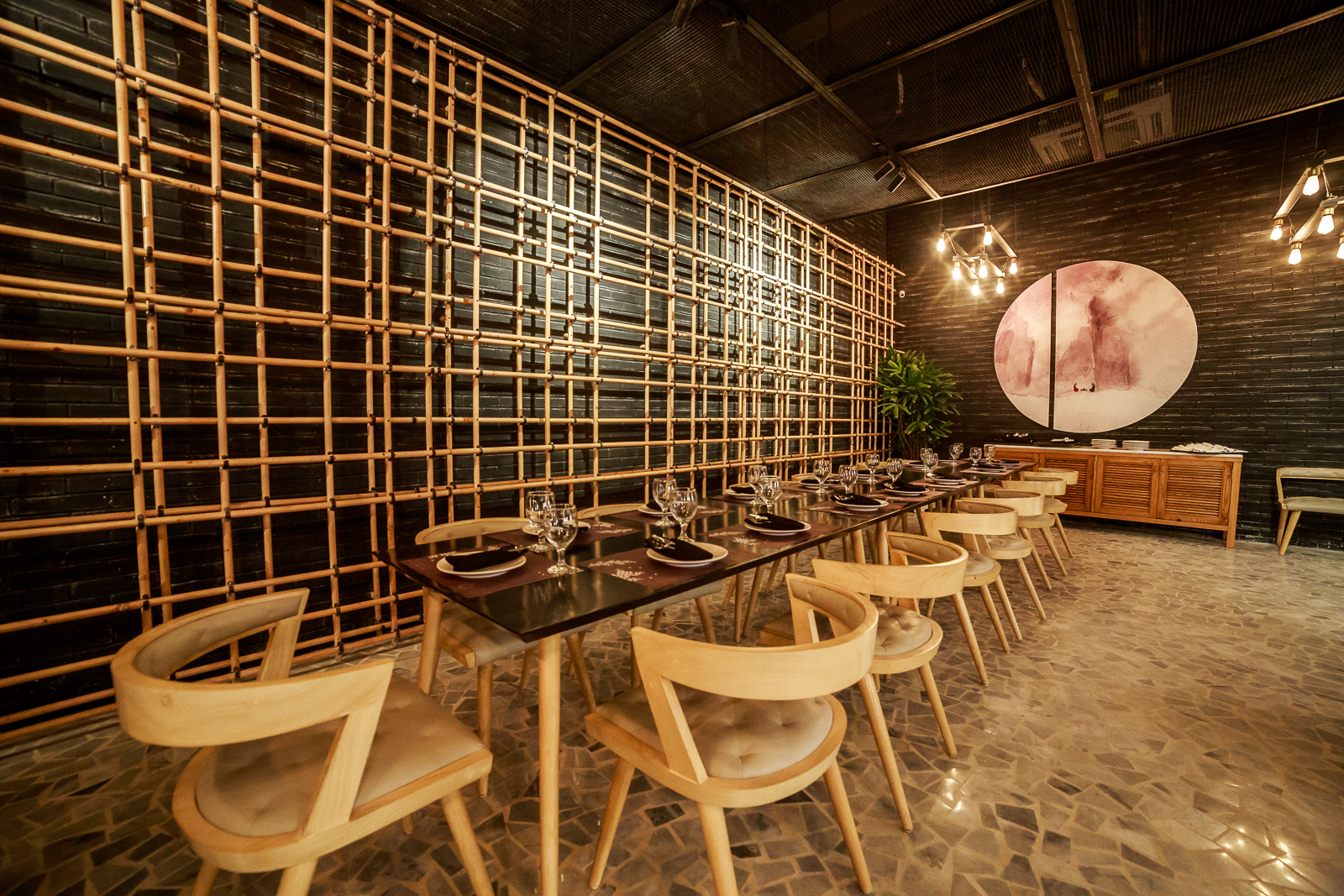
Cocochan is a Pan-Asian restaurant that seamlessly weaves cultural symbolism and spatial storytelling into its design. Rooted in the essence of Pan-Asian identity, the space embodies a resistance to Western colonial influences while embracing a rich heritage of Asian aesthetics. This duality is expressed through a layered architectural language, where colonial vaults and arches form the base, while Pan-Asian elements such as cherry blossoms, bamboo, and fortune cookies are intricately juxtaposed to create a dynamic and immersive environment.
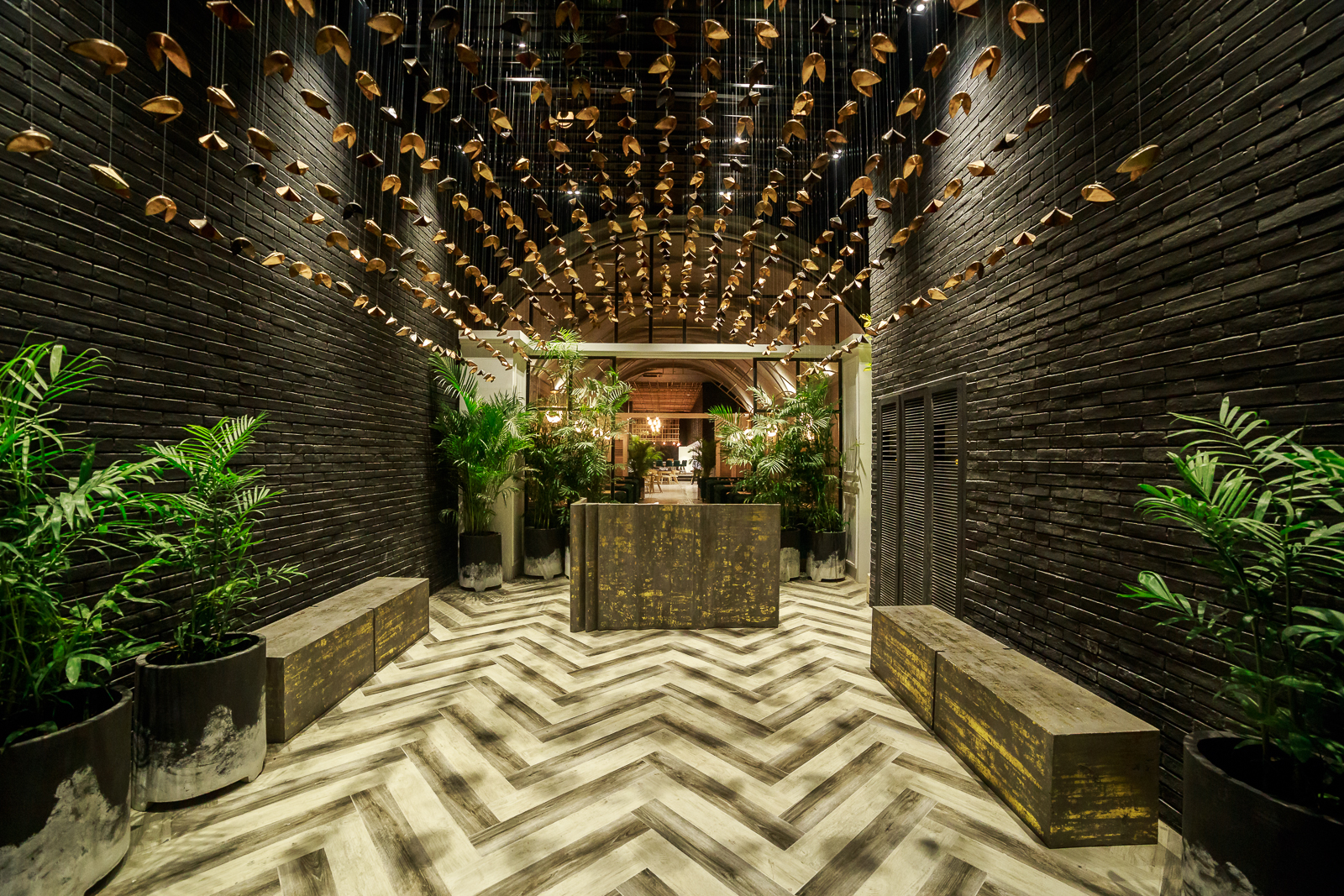
Upon entering, guests are welcomed by a striking transitional space, where the design pays homage to both history and innovation. The entrance sequence is a blend of raw materiality and curated details. Dark brick walls, reminiscent of colonial structures, are given a rebellious reinterpretation through a distressed painting technique that exposes their raw texture. The entrance door, a rustic metal vault frame, undergoes a natural aging process, dipped in salt water and acid to achieve a rich patina. Overhead, brass fortune cookies, each uniquely stained, form a mesmerizing suspended installation, symbolizing luck and prosperity.
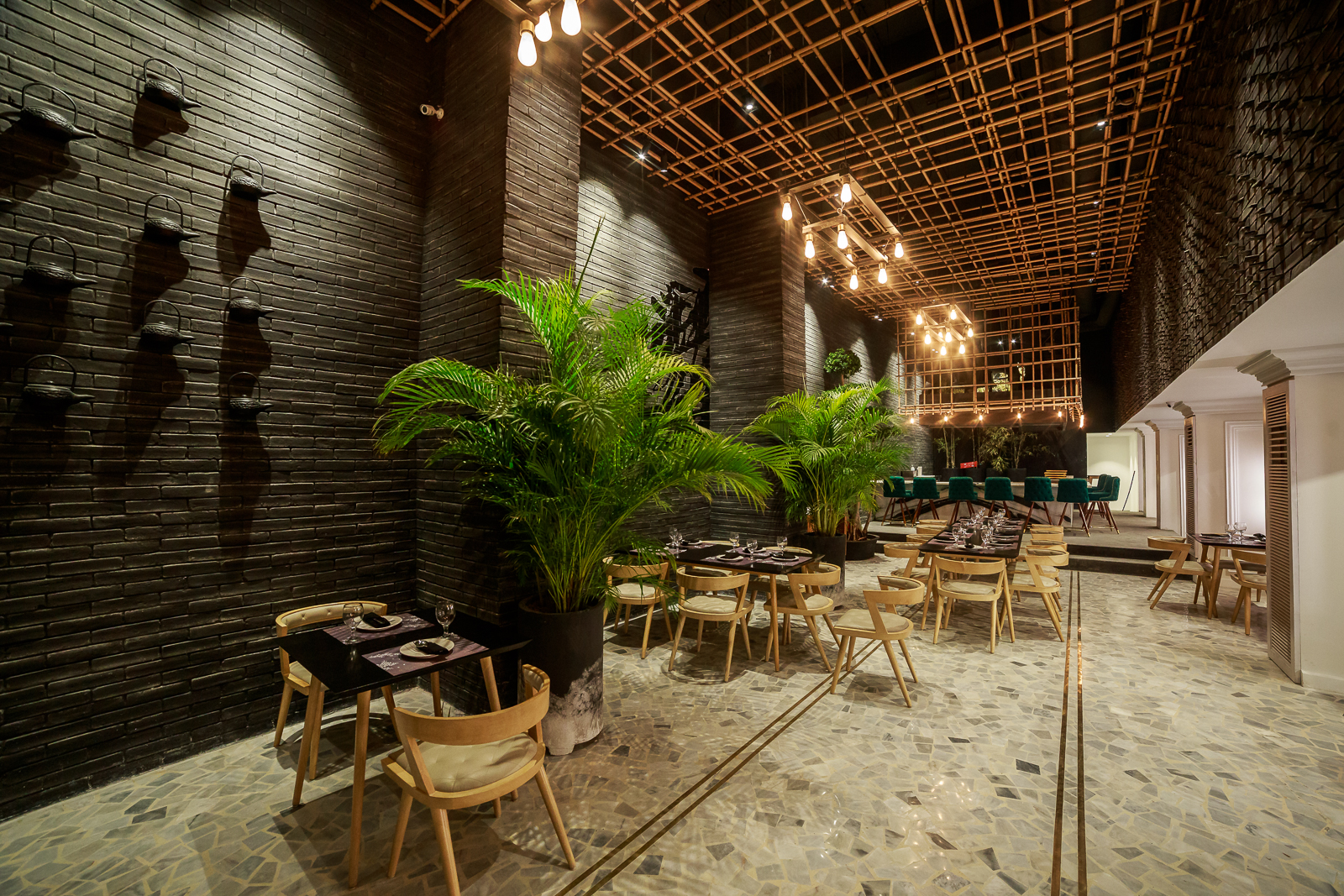
The flooring is a polished terrazzo composition, inlaid with brass to add depth and contrast. This material palette extends into the main dining area, where textured concrete vaults are polished with black stain to emphasize their dramatic curvature. Here, a symphony of design elements unfolds—teapots, symbolizing Asian tea culture, are cast and mounted onto a structured grid, playing with light and shadow. Alongside, wooden wine barrels, traditionally European in nature, are adorned with intricate cherry blossom imprints, representing the harmonious confluence of cultures.